Catamarans: Why They’re the Ultimate Choice for Boating Enthusiasts

- byMelero
- enero 22, 2025
- Uncategorized
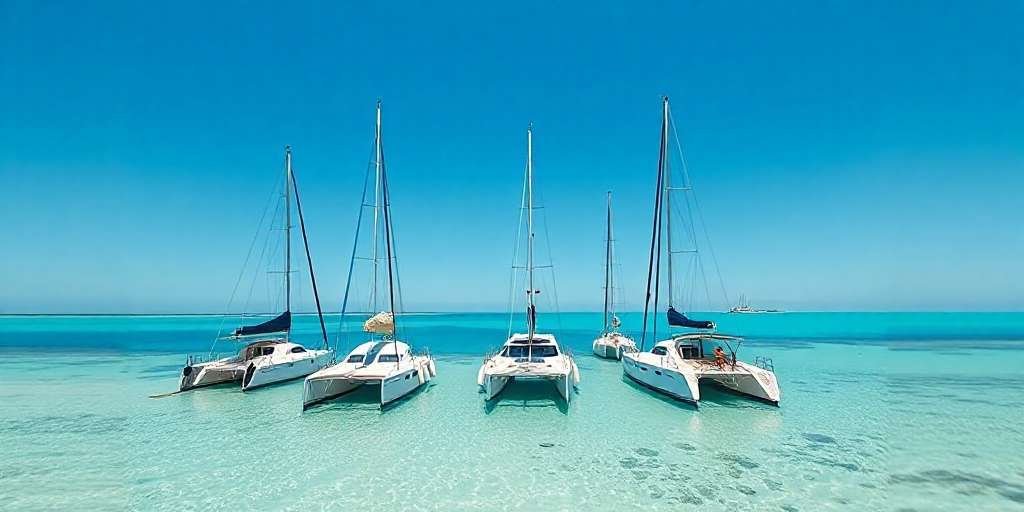
Catamarans are versatile watercraft with two parallel hulls that offer unique advantages over traditional boats. They are known for their stability, efficiency, and spacious designs, making them popular for leisure, charters, and racing.
These vessels come in various types, including sailing and power catamarans, catering to different needs and preferences. Their development has evolved significantly over time, reflecting innovations in design and engineering.
Understanding Catamarans
Catamarans are versatile vessels that have become increasingly popular due to their unique design and performance characteristics.
Definition and Characteristics
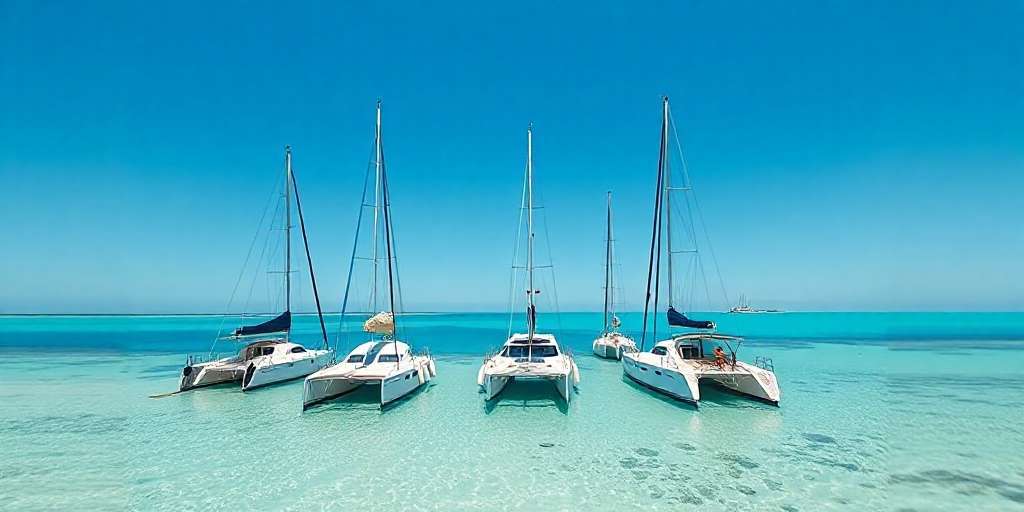
A catamaran consists of two parallel hulls of equal size, which sets it apart from traditional monohull boats. This configuration provides several important benefits:
- Stability: The wide spacing between hulls greatly enhances stability, making catamarans less prone to rolling or capsizing.
- Less Hull Volume: Generally, catamarans have a shallower draft and lower hull volume compared to monohulls, allowing for access to shallower waters.
- Hydrodynamic Efficiency: Their unique design minimizes hydrodynamic resistance, requiring less power for propulsion.
- Reduced Motion: The structural layout of catamarans results in less heeling and wave impact, which leads to a smoother ride.
Types of Catamarans
Sailing Catamarans
Sailing catamarans have advanced significantly over the years. They are highly utilized for cruising and chartering. Smaller models, often constructed from roto-molded plastic or fiberglass, are common in resorts catering to novice sailors. In contrast, larger sailing catamarans equipped with engines are favored in the bareboat charter sector.
Power Catamarans
Power catamarans, also referred to as multi-hull powerboats, operate without sails and are typically outfitted with larger engines than their sailing counterparts. They serve a wide array of markets, from fishing vessels to luxury cruise platforms.
Traditional Catamarans
In regions such as Oceania and Southeast Asia, traditional catamarans hold significant cultural heritage. Notable examples include the Fiji Drua and the Papua New Guinea Lakatoi, showcasing various designs that highlight regional maritime history.
Stability and Performance
The inherent stability of catamarans plays a crucial role in their performance metrics. The wide stance diminishes heeling, providing a safer experience, particularly in challenging waters. This feature is advantageous for both families and less experienced sailors alike.
- Resistance and Hydrodynamics: Catamarans experience lower drag than monohulls due to streamlined shapes, reducing fuel consumption.
- Wave-Piercing Designs: Innovations such as SWATH (Small Waterplane Area Twin Hull) designs illustrate the engineering sophistication inherent in modern catamarans, allowing for smoother navigation in rough seas.
In summary, catamarans possess distinct characteristics that contribute to their appeal in various maritime activities. Their innovative design continues to evolve, accommodating the needs of recreational boaters, commercial operators, and competitive racers alike.
Historical Evolution of Catamarans
The historical evolution of catamarans showcases their journey from simple ocean-going vessels to the sophisticated designs in use today. This transformation highlights the cultural and technological influences that have shaped their development.
Origins and Development
Catamarans are believed to have originated with the Austronesian peoples, who were adept ocean navigators. The early forms of these vessels were simple rafts made by tying together logs. Over time, this concept evolved into more complex structures designed for extensive seafaring. Key highlights of this evolution include:
- Evolution from Rafts: The initial designs consisted of logs that connected to create basic floating platforms.
- Development of Twin Hulls: As seafaring techniques advanced, these rafts transformed into two-hulled canoes, allowing for greater stability and capacity.
- Asymmetric Double Canoes: This design featured one hull smaller than the other, which ultimately influenced future catamaran designs.
These early catamarans were particularly significant in regions like Oceania and Polynesia, where they facilitated trade and cultural exchange among island communities. The technology gradually spread to coastal populations in places such as Madagascar and the Comoros, who retained the twin-hulled concept while others adopted outrigger designs for enhanced stability.
Western Adoption
The introduction of catamarans to the Western world took place over several centuries. In the 17th century, William Petty’s designs marked one of the first documented instances of catamarans in Europe. However, initial reception was skeptical, with many viewing them as unconventional compared to traditional monohulls.
Key milestones in their acceptance included:
- 1876 Centennial Regatta: Nathanael Herreshoff showcased the performance benefits of catamarans, garnering attention and respect within the sailing community.
- 20th Century Innovations: The emergence of multihull vessels with advanced designs brought renewed interest, leading to successful racing experiments.
By the 1970s, technological advancements and a growing appreciation for their speed and maneuverability encouraged their integration into competitive sailing events, such as the America’s Cup. As racing designs evolved alongside performance capabilities, these vessels cemented their place in maritime history and began to appeal to a wider audience.
Modern Design and Engineering
The evolution of catamaran design has significantly improved performance and efficiency. Recent advancements in engineering combine innovative materials and cutting-edge technologies to optimize these vessels for leisure, commercial, and competitive uses.
Hull Design and Efficiency
Modern catamarans often feature sophisticated hull designs that enhance their hydrodynamic performance. Key characteristics include:
- Sharp Entries: The prow sections are designed to slice through water effectively, reducing drag and resistance.
- Wider Beam: A broader beam increases stability and provides more interior space, contributing to a more comfortable experience on board.
- Streamlined Shapes: These designs allow for better flow dynamics, which reduces the overall energy consumption during operation.
Computer-aided design (CAD) tools are instrumental in optimizing hull shapes before they are constructed, further refining efficiency and performance.
Innovations in Materials
Advancements in materials science have revolutionized the construction of catamarans. Lightweight, durable materials allow for greater speed and fuel efficiency. Key materials include:
- Carbon Fiber: Known for its strength-to-weight ratio, carbon fiber is increasingly utilized in high-performance catamarans, reducing weight without sacrificing structural integrity.
- Advanced Composites: Composites made from fiberglass and resins offer a blend of durability and flexibility, making the vessels both robust and amenable to intricate shapes.
- Aluminum: In some designs, aluminum is used for its corrosion resistance and strength, providing a good balance between weight and durability.
The application of these materials not only enhances performance but also contributes to better fuel efficiency, which is a growing consideration in today’s eco-conscious market.
Advanced Propulsion Systems
The propulsion systems of catamarans have evolved to embrace innovation and sustainability. Various advanced technologies have been introduced:
- Hybrid Power Systems: These systems combine traditional engines with electric motors, allowing for increased efficiency and reduced emissions.
- Inboard and Outboard Engines: Options for either fixed inboard engines or retractable outboard motors provide flexibility for different catamaran types and uses.
- Sailing Innovations: Enhanced sail designs and rigging systems, such as self-furling sails, improve ease of handling and performance under varying wind conditions.
Such propulsion advancements not only improve performance but also align with growing global trends toward sustainability and reduced environmental impact.
Catamarans in Leisure and Chartering
Catamarans have become a preferred choice for leisure activities and chartering, providing unique advantages that enhance the boating experience. Their spacious designs and stability make them ideal for both relaxation and adventure on the water.
Market Growth and Trends
The catamaran market has seen remarkable growth in recent years, driven by increasing demand for leisure boating and charter services. Travelers now seek more spacious and stable vessels for their vacations. This shift in preference has led to a rise in both sales and charter offerings across various regions.
Key trends influencing the market include:
- Growing popularity of eco-tourism, prompting an increase in catamaran charters focused on sustainability.
- Rising consumer awareness of comfort and stability, often favoring catamarans for family vacations.
- Incorporation of technology and luxury amenities in catamarans, enhancing the overall experience for charter guests.
Catamaran for Sale: What to Consider
When considering the purchase of a catamaran, various factors should be taken into account to ensure a satisfactory investment. Buyers should evaluate the following:
- Purpose: Whether the intention is for personal use, chartering, or racing, the design and features will vary.
- Size: Catamarans come in different sizes, affecting capacity and comfort. Assessing the number of guests typically onboard is crucial.
- Materials: Understanding the construction materials, such as fiberglass or carbon fiber, will influence durability and performance.
- Budget: Setting a realistic budget will help narrow down options, considering both initial purchase and ongoing maintenance costs.
Popular Destinations: Puerto Rico and Cartagena
Cruising on a catamaran offers access to stunning destinations, with Puerto Rico and Cartagena emerging as top choices for chartering experiences.
Puerto Rico Catamarans
Puerto Rico is renowned for its beautiful coastlines and clear waters, making it a prime spot for catamaran charters. Visitors can explore the vibrant marine life and secluded beaches, enjoying activities such as snorkeling, sailing, and sunset cruises. Charter companies in Puerto Rico provide a range of vessels catering to different group sizes and budgets, enhancing the appeal for tourists.
Bona Vida Catamarans Cartagena
In Cartagena, chartering a Bona Vida catamaran allows guests to experience the charm of Colombia’s coast. With scenic routes and crystal-clear waters, the region is perfect for both relaxation and exploration. Charters here often include itineraries that feature breathtaking natural landscapes and opportunities for fishing, diving, or just soaking up the sun, making it an unforgettable experience for all onboard.
Competitive Racing and Performance
Catamarans have become a formidable force in the world of competitive racing. Their unique design and engineering innovations provide advantages that have redefined performance standards in sailing competitions.
Influence on Racing Design
The incorporation of catamarans into competitive sailing has profoundly influenced overall racing design. Architects and engineers have recognized the advantages of twin-hulled vessels, leading to a shift in how racing classes are structured.
Key influences include:
- Increased focus on hydrodynamics, leading to sleeker designs that minimize drag.
- Enhanced stability, which allows teams to push limits in speed without sacrificing safety.
- Innovative sail and rigging configurations that maximize performance across various wind conditions.
As a result, catamarans have encouraged the development of new racing classes that leverage their speed and agility, leading to more competitive events that showcase their capabilities.
Speed and Maneuverability
Speed is one of the most compelling features of catamarans in racing. Their lightweight construction and hydrodynamic shapes facilitate remarkable acceleration and top speeds, positioning them as leaders in various competitions.
Furthermore, their maneuverability sets them apart from traditional monohulls. Characteristics contributing to this include:
- Wide stance allowing for sharp turns without significant heeling.
- Reduced water resistance, enabling faster course changes and rapid adjustments.
- Improved control under various sailing conditions, providing crews with remarkable handling capabilities.
These factors not only enhance the racing experience but also appeal to enthusiasts looking for thrilling competition. Racing catamarans have pushed the boundaries of what is possible in maritime sports, making them a captivating choice for sailors and spectators alike.
Commercial and Military Applications
Catamarans have found extensive applications in both commercial and military sectors. Their unique design lends several advantages, including stability, speed, and capacity, suited for various operational needs.
Passenger Ferry Services
The commercial adoption of catamarans has surged, particularly in passenger ferry services. Many coastal cities and tourist destinations prefer these vessels due to their ability to transport a significant number of passengers quickly and comfortably. Key benefits of using catamarans in this capacity include:
- Increased Capacity: Catamarans provide more spacious interiors and deck areas compared to traditional monohulls, allowing them to carry larger groups of people.
- High Speed: Their hydrodynamic design enables catamarans to achieve higher speeds, making ferry services more efficient with reduced travel times.
- Stability: The dual-hull configuration significantly reduces the vessel’s motion in rough seas, enhancing passenger comfort during transit.
- Fuel Efficiency: Catamarans typically consume less fuel relative to their passenger capacity, lowering operational costs for ferry operators.
In regions like the Caribbean, catamarans are the preferred choice for inter-island transportation, providing a reliable link between popular travel destinations. This has sparked a steady growth in the catamaran ferry market.
Military Uses and Innovations
Military organizations have increasingly turned to catamarans for various operational tasks. Their design offers robust solutions for transport and logistical missions. Key military applications include:
- Troop Transport: Catamarans provide a stable platform for the efficient movement of troops, equipment, and supplies in diverse marine environments.
- Logistical Support: Their speed and capacity facilitate fast logistical support operations, particularly for disaster relief and humanitarian missions.
- Amphibious Operations: Certain catamarans are designed to support amphibious landings, integrating features that allow for safe operations near shorelines.
- Patrol and Surveillance: The stability and speed of catamarans make them excellent platforms for surveillance and coastal patrols.
Innovation within the military sector has led to advancements in catamaran capabilities, integrating cutting-edge technology for navigation, communications, and operations. This trend reflects a growing interest in utilizing catamarans for strategic advantage in various military operations.
Future Trends in Catamaran Design
The catamaran industry is undergoing significant transformations, driven by advancements in technology, changing market demands, and a growing emphasis on sustainability. These factors are shaping the future of catamarans, influencing their design, materials, and overall performance.
Consumer Preferences
As more individuals venture into the boating lifestyle, preferences are shifting towards vessels that emphasize comfort, efficiency, and modern aesthetics. New buyers are increasingly drawn to:
- Spacious Interiors: Catamarans are prized for their ample living space, appealing to families and groups looking for luxurious accommodations while at sea.
- Modern Design: Sleek, contemporary aesthetics in both interior and exterior designs play a pivotal role in attracting buyers.
- Customizable Options: Consumers favor catamarans that offer customizable features, allowing for personalized layouts and amenities tailored to individual needs.
These evolving preferences are influencing manufacturers to innovate continually and meet the demands of today’s boating enthusiasts.
Sustainability and Eco-Friendly Initiatives
The marine industry is increasingly prioritizing sustainability, and catamaran manufacturers are no exception. The following initiatives are gaining traction:
- Alternative Materials: The use of lightweight, eco-friendly materials like recycled plastics and advanced composites reduces environmental impact while enhancing performance.
- Energy Efficiency: Innovations in hull designs aim to minimize drag, promoting greater fuel efficiency and lowering emissions during operation.
- Hybrid Propulsion Systems: Many new models are incorporating hybrid propulsion systems that combine traditional engines with electric alternatives, paving the way for quieter and more environmentally friendly voyages.
As environmental consciousness grows, manufacturers recognize the importance of adapting to eco-friendliness, which will likely become a crucial selling point in future designs.